

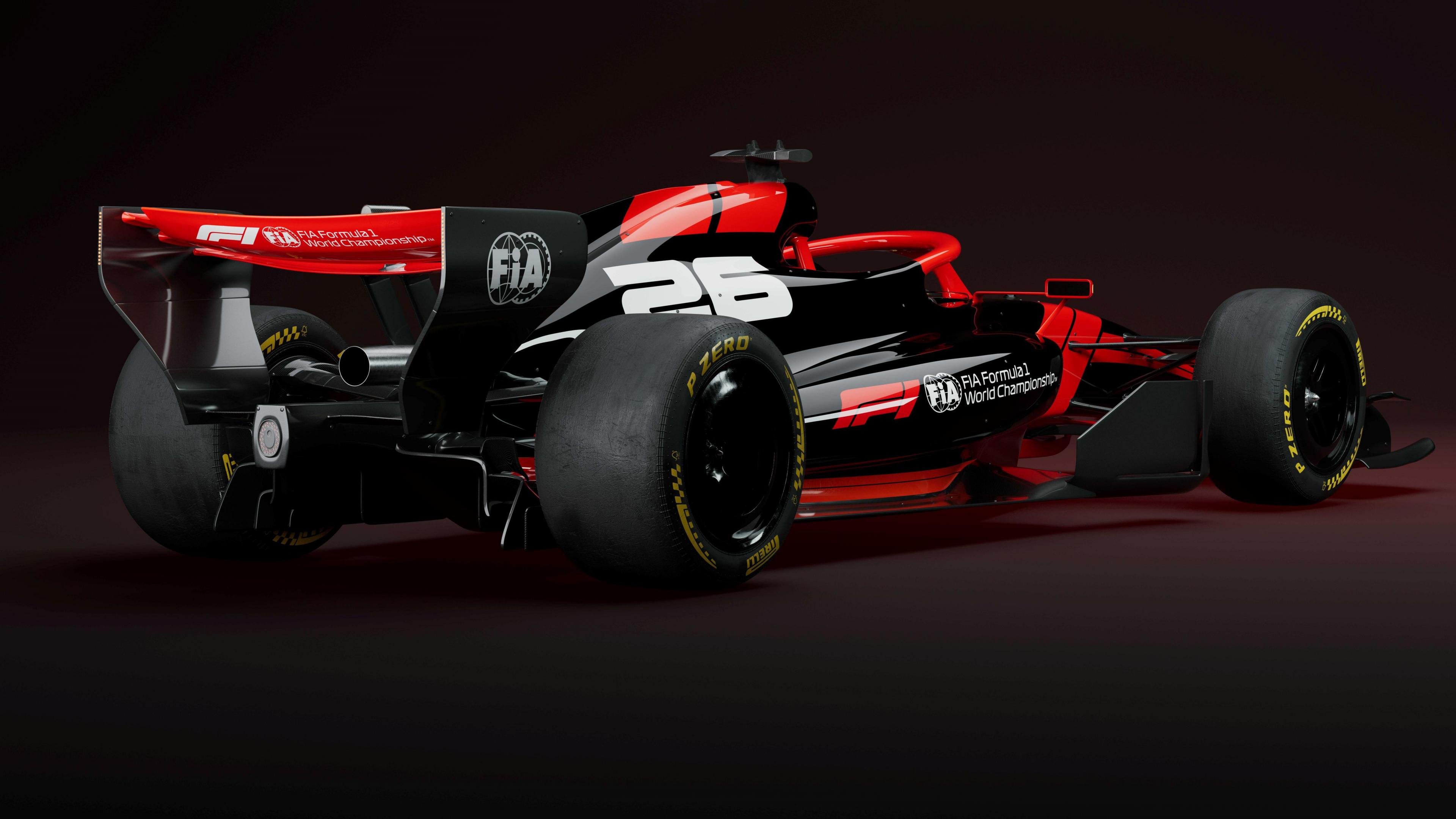
The 2026 Formula 1 cars are expected to be lighter, more agile and sustainable compared to current models.
Formula 1 has unveiled the official vocabulary that will be used to describe the technical complexities of its new 2026 technical rules.
The championship is implementing what is potentially the largest rules overhaul in its competitive history next season, featuring revised car and engine specifications and the compulsory introduction of 100% sustainable fuels.
The updated 1.6-litre V6 turbo hybrids, which keep the 1.6-litre V6 configuration, boast a substantially higher electrical capacity, requiring major innovations in the aero packages.
Over a race distance, competitors will tactically deploy battery power – sometimes even hot laps – to achieve the peak lap time.
Wide-ranging research were conducted with a wide range of fans, including new, casual and core fans, to identify which phrases would aid comprehension of the key features of the upcoming rules.
The key objective was to make a set of intricate new areas of the racing as accessible as possible for the broadest viewership.
Consequently, older technical labels for certain devices – such as "x-mode and z-mode" for the moveable wings – have been phased out in favour of descriptive names that succinctly convey the actual function of the system.
Exploring the New Tech
The FIA states that racers will have increased agency to determine tactics regarding power usage, harvesting, and conservation.
The new regulations introduce a series of modes that will be visually displayed on television graphics to enhance the audience's understanding of the strategic duel.
- Passing Mode: This replaces the current DRS. It provides a burst of extra electrical energy available when a competitor is less than a second the leading car to assist with an overtake.
- Boost Mode: This is a on-demand power boost from the energy recovery system that can be used in offensive or defensive moves. It provides the pilot full engine and battery energy at the push of a button.
Both of these key functions will have to be managed carefully, as the available electrical charge is restricted.
- Active Aerodynamics: Both the front and rear wings change configuration – opening on the straights for reduced drag and top speed, and closing in the turns for optimal cornering performance.
- Recharge: Cars can recharge the energy store with power recovered from braking, or during throttle lift at the end of straights or in sections where only reduced throttle is required.
What's Changing on the Cars?
The next-generation machines will be smaller and lighter than this year, with a wheelbase cut by 200mm to 3,400mm, car width cut by 100mm – down to 1,900mm – and the lowest permissible weight decreased by 30kg.
Total aerodynamic grip is projected to decrease by approximately fifteen to thirty percent, although squads will undoubtedly recover some as they optimize their packages.
Aerodynamic drag has been cut by 40%. The cars will employ adjustable aero systems – both wings will open on the straight sections to improve speed and increase straightline speed and revert into place for maximum cornering performance.
Pirelli tyres will retain 18-inch rims, but the rubber compounds will be slimmer, by a quarter-centimetre on the front and 30mm at the rear.
What's Changing in the Engines?
The 2026 engines will have an approximate 50-50 split in horsepower generated by the petrol engine and the battery and motor, up from about 20% battery contribution under present rules.
The energy recovery system is streamlined through the elimination of the Motor Generator Unit – Heat, the complicated and costly device that harvested power from the turbo.
Every car on the grid will be mandated to operate on fully sustainable fuel, produced using organic sources or synthetic production methods.


